

How Painful Is A Single Tooth Implant?
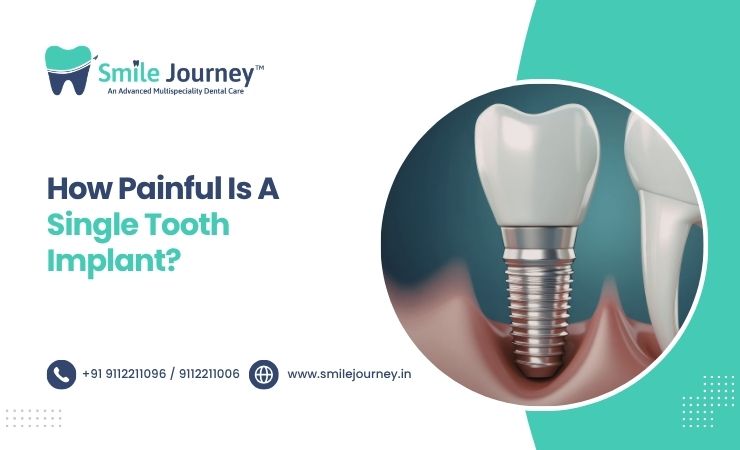
When you hear the word “implant,” it’s natural for your mind to go straight to pain. Many people picture something complicated, long, or uncomfortable. Some even assume it will be a difficult experience from start to finish. But in reality, what you feel is usually much simpler and far more manageable than these assumptions.
At Smile Journey Dental Clinic, we regularly help people looking for a single tooth implant in Hinjewadi understand the process in a simple and clear way. We explain what will happen, how long it will take, and what kind of sensation you might feel during and after the procedure.
What Is a Single Tooth Implant?
A Single dental implant is a modern way to replace one missing tooth without disturbing the nearby teeth. Instead of using a bridge, which may require support from adjacent teeth, or dentures that sit on the gums, an implant works independently.
In this procedure, we place a small titanium post inside your jawbone. This post acts like the root of your natural tooth. Over time, the bone slowly grows around it, making it strong and stable.
Once healing is complete, a crown is placed on top, which matches the color and shape of your natural teeth. The result looks natural and feels comfortable while eating or speaking.
If you are considering a single tooth implant in Hinjewadi, this option is often preferred because it helps maintain your jawbone strength and prevents bone loss over time. It also allows you to chew properly without affecting the surrounding teeth, making it a long-term and reliable choice.
Is a Single Tooth Implant Painful?
This is the most common question people ask before deciding on treatment, and it’s completely understandable to feel concerned.
The simple answer: No, the procedure is not as painful as most people imagine.
During a painless dental implant procedure, we use local anesthesia to numb the area completely. This means you will not feel sharp pain during the procedure. You may notice slight pressure, vibration, or movement, but it is not painful.
Many people who come for a single tooth implant in Hinjewadi are surprised after the procedure because their experience feels much easier than expected. In fact, several people say it feels similar to getting a filling or even less uncomfortable than removing a damaged tooth.
The fear of pain is usually higher before the procedure than the actual experience itself.
Pain During the Implant Procedure: What You Actually Feel
During the procedure, your comfort is our main focus. Since the area is completely numb, the experience is controlled and calm.
Here is what you may feel:
- • Numbness in the treated area, similar to when you get a dental filling
- • Mild pressure when the implant is placed into the bone
- • Slight vibration from the instruments used
- • No sharp or sudden pain at any point
The single tooth implant pain during surgery is minimal because the nerves are not active due to anesthesia. This is why most people remain relaxed throughout the procedure.
We also follow a painless dental implant procedure approach, where planning is done carefully in advance. Gentle techniques, proper tools, and clear communication during the treatment help you stay comfortable and stress-free.
How Painful Is It After the Implant? Day-by-Day Breakdown
After getting a single dental implant, it is normal to feel some discomfort. However, this is temporary and reduces gradually with time.
Day 1–2:
- • Mild swelling around the area
- • Slight soreness or tight feeling
- • Easily managed with prescribed medicines
Day 3–5:
- • Discomfort starts reducing
- • Swelling begins to go down
- • You can return to light daily activities
Day 6–7:
- • Most people feel normal
- • Very little or no pain
- • Healing continues internally
The level of single tooth implant pain after the procedure is usually mild to moderate and improves each day. It is not continuous pain and is generally well controlled.
If you go for a single tooth implant in Hinjewadi, following proper aftercare plays a big role in keeping the recovery smooth and comfortable.
Tooth Implant Pain vs Tooth Extraction: Which Hurts More?
This comparison helps many people understand what to expect.
Tooth extraction involves removing a tooth that is often already damaged, infected, or inflamed. This can sometimes lead to more discomfort because the surrounding area is already sensitive.
On the other hand, implant placement is done in a clean and controlled environment where everything is planned in advance.
Most people say, “Tooth extraction feels more painful than implant placement.”
The single tooth implant pain is usually related to healing after the procedure, while extraction pain can feel sharper and more immediate.
Dental implants have a success rate of over 95% when done correctly and maintained properly.
This means the small amount of discomfort you feel during healing is temporary, but the benefits can last for many years. A Single dental implant not only replaces your tooth but also helps maintain your bite, speech, and overall oral structure.
Factors That Affect Implant Pain (Bone, Infection, Skill, etc.)
Not everyone experiences the same level of discomfort. Several factors can influence how you feel during and after the procedure:
1. Bone Quality
If your bone is strong and healthy, the implant integrates better, leading to less discomfort during healing.
2. Infection
If there is an infection before treatment, healing may take slightly longer and may cause more sensitivity.
3. Personal Pain Tolerance
Every person has a different response to pain. What feels mild to one person may feel slightly more noticeable to another.
4. Aftercare
Following instructions carefully helps reduce single tooth implant pain and avoids complications.
If you are planning a single tooth implant in Hinjewadi, choosing a clinic that focuses on careful planning and gentle treatment can make a clear difference.
How to Reduce Pain After a Dental Implant Treatment?
Simple habits can make your recovery much easier:
- • Take prescribed medicines on time without skipping
- • Eat soft foods like khichdi, curd, or soups for a few days
- • Use ice packs to reduce swelling in the first 24 hours
- • Brush gently and keep the area clean
- • Avoid touching the implant site with your fingers or tongue
These steps help reduce single tooth implant pain and support faster healing.
When a painless dental implant procedure is combined with proper care at home, recovery becomes much smoother.
What Is Normal Pain and What Is Not?
Understanding what is normal helps avoid unnecessary worry.
Normal:
- • Mild swelling for 2–3 days
- • Slight bleeding for a few hours or one day
- • Mild soreness while chewing
Not Normal:
- • Severe pain after 3–4 days
- • Continuous swelling that does not reduce
- • Fever or pus formation
- • Persistent bleeding
If anything feels unusual, it is better to get it checked early instead of waiting.
When Should You Worry About Implant Pain?
You should contact your dentist if you notice:
- • Pain increasing instead of decreasing
- • Swelling not improving after a few days
- • Implant feeling loose or unstable
- • Signs of infection, like pus or bad taste
Although single tooth implant pain is usually mild, ignoring unusual symptoms can lead to bigger issues later.
Thinking About Fixing That Missing Tooth?
At Smile Journey Dental Clinic, we keep your experience simple and comfortable from the first visit itself.
If you are considering a single tooth implant in Hinjewadi, we guide you step by step so you know exactly what to expect. With a strong focus on a Painless dental implant procedure, we aim to make your treatment smooth, predictable, and easy to go through.
Book your consultation and take a confident step toward restoring your smile.
FAQs
1. How painful is a single dental implant?
A single dental implant is not painful during the procedure because the area is completely numb with anesthesia. You may feel slight pressure, but no sharp pain. After treatment, single tooth implant pain is usually mild and feels like soreness, which reduces within a few days with basic medication.
2. How long does single tooth implant pain last?
Single tooth implant pain usually lasts for around 3–5 days. It gradually improves each day, and most people feel almost normal within a week if they follow the aftercare instructions properly.
3. What is the cost of a single tooth implant near me?
The single tooth implant cost near me depends on factors like the quality of materials used, the experience of the dentist, and whether additional procedures like bone grafting are needed. It is best to get a proper consultation for an accurate estimate.
4. Can I eat after a single dental implant?
After a single dental implant, you can eat, but it is better to stick to soft foods like dal, rice, curd, or soups for the first few days. This helps avoid pressure on the implant area and reduces discomfort.
5. Is swelling normal after implant surgery?
Yes, mild swelling is completely normal after the procedure. It usually appears within the first day and resolves within 2–3 days. Using ice packs and following instructions can help control it easily.
6. Is a single tooth implant pain worse than extraction?
No, most people find single tooth implant pain less intense compared to tooth extraction. Implant discomfort is usually mild and related to healing, while extraction pain can feel sharper initially.