

How Often Should You Visit a Dental Clinic? Tips From Hinjewadi Dentists
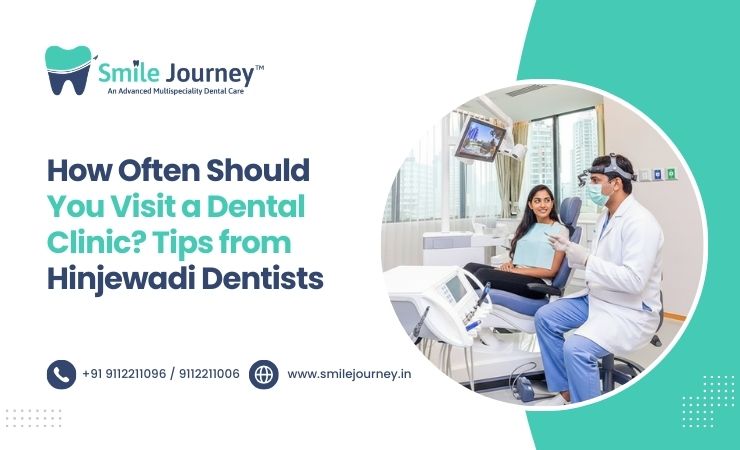
Most people don’t schedule dental visits unless something feels wrong. A sudden toothache, bleeding gums, or a broken filling usually pushes the appointment to the top of the list. Until then, dental check-ups quietly get postponed.
But here’s what we regularly explain to patients at our dental clinic in Hinjewadi- Smile Journey Dental Clinic, dental problems don’t appear suddenly. They build slowly over time. By the time you feel pain, the issue has usually been developing for months.
If you’ve ever wondered whether six-month visits are truly necessary, this guide will give you a clear and practical answer.
Let’s talk about how often you should visit, why it matters, and how regular check-ups can actually protect your smile and your budget.
So, How Often Should You Visit a Dental Clinic?
For most healthy adults and children, visiting the dentist once every six months is ideal. This time frame allows your dentist to remove plaque buildup, check for early signs of decay, and monitor gum health before anything becomes serious.
Some individuals may need more frequent visits, especially if they:
- • Have a history of gum disease
- • Smoke or consume tobacco
- • Have diabetes
- • Wear braces or aligners
- • Frequently develop cavities
In such cases, dentists may recommend visits every 3–4 months to prevent complications.
The goal isn’t just cleaning your teeth. It’s preventing small problems from turning into painful or expensive ones.
Why Six Months? What Actually Happens At That Time?
Plaque starts forming on your teeth within hours of brushing. Even with good oral hygiene, certain areas are difficult to clean thoroughly. Over weeks and months, plaque hardens into tartar, especially along the gumline.
Once tartar forms, brushing cannot remove it. Only professional cleaning can.
Within six months, if left unchecked:
- • Tartar builds up along the gums
- • Early cavities may begin forming
- • Gums may become inflamed
- • Small cracks or enamel wear may go unnoticed
Regular visits ensure these changes are identified early. At Smile Journey dental clinic in Hinjewadi, routine examinations are not rushed. Dentists look carefully for signs you might not even feel yet.
Early detection means simpler treatment.
What Do You Actually Save by Visiting Regularly?
Many people assume skipping appointments saves money. In reality, it often leads to higher costs later.
Here’s what regular visits protect you from:
1. Bigger and Costlier Treatments
A tiny cavity is easy to fix with a simple filling. If ignored, it can progress to nerve involvement, requiring a root canal or even extraction. That means more time, more discomfort, and more expense.
Preventive visits often reduce the need for major procedures.
2. Dental Emergencies
Tooth fractures, severe infections, and sudden pain rarely happen without warning signs. Regular examinations help identify weak spots, cracks, or infections before they flare up unexpectedly.
Emergency visits are stressful. Prevention is calmer and more predictable.
3. Tooth Loss
Gum disease often begins quietly. Early-stage gum inflammation may not cause pain, but over time it can damage the bone supporting your teeth.
Professional cleanings and regular monitoring significantly reduce the risk of tooth loss.
4. Stains and Bad Breath
Professional cleaning removes stains from tea, coffee, and everyday foods. It also reduces bacteria that contribute to persistent bad breath.
Regular visits don’t just protect health, they help maintain confidence.
How Regular Visits Benefit You Long-Term?
Dental visits are not isolated events. They are part of your overall health routine.
Here’s how consistent care helps you in the long run:
Healthier Gums
Healthy gums are the foundation of strong teeth. Your dentist checks for bleeding, pocket depth, and signs of infection during routine visits.
Early gum care prevents long-term complications.
Better Smile Maintenance
If you have crowns, implants, aligners, or fillings, they require monitoring. Regular visits ensure everything remains stable and functional.
Maintaining your smile means protecting previous dental investments.
Early Detection Beyond Teeth
Dentists also screen for oral abnormalities, infections, and other health indicators. Many systemic health issues show early signs in the mouth.
Routine visits can sometimes catch concerns that you wouldn’t notice on your own.
Tips from Our Dentists in Hinjewadi
Patients often ask, “What’s the easiest way to avoid dental problems?”
Here are practical tips from our team:
1. Don’t Wait for Pain - Pain usually means the issue has progressed. If something feels slightly off, schedule a check-up.
2. Brush Gently and Correctly - Use a soft-bristle brush and clean in circular motions. Brushing aggressively can damage enamel and irritate gums.
3. Don’t Skip Flossing - Flossing removes debris from between teeth, where cavities often begin.
4. Drink Water Frequently - Water helps rinse food particles and supports saliva production, which naturally protects teeth.
5. Stay Consistent with Appointments - Even if everything feels fine, routine visits are still important.
If you’re searching for a dentist near Hinjewadi, look for one who emphasizes prevention and patient education, not just treatment, like Smile Journey.
When Should You Visit More Often?
Some people benefit from more frequent check-ups.
You may need shorter intervals if you:
- • Experience frequent gum bleeding
- • Have diabetes
- • Smoke
- • Wear orthodontic appliances
- • Have a history of severe gum disease
At the best dental clinic, follow-up schedules are personalized based on your individual risk level.
How Regular Visits Shape Your Smile Journey?
Think of each dental appointment as a milestone in your smile journey. Each visit keeps your progress steady and predictable.
When patients visit consistently, they avoid sudden dental setbacks. Treatments remain simple. Oral health stays stable.
Small preventive steps make a big difference over the years.
What Happens During a Routine Visit?
Many patients avoid appointments because they fear the unknown. In reality, routine visits are straightforward.
A typical visit to Smile Journey includes:
- • Examination of teeth and gums
- • Necessary X-rays
- • Professional cleaning
- • Discussion about concerns
- • Personalized hygiene advice
Appointments are calm, structured, and usually completed within an hour.
FAQs
1. Is visiting every six months really necessary?
Yes. Most dental issues develop slowly and silently. Cavities, gum inflammation, and enamel wear often don’t cause pain in the early stages. Visiting every six months allows your dentist to catch these problems early, when treatment is simpler, quicker, and more affordable.
2. Can I skip visits if I brush well daily?
Brushing and flossing daily are very important, but they cannot remove hardened tartar once it forms. Professional cleaning uses special tools to remove buildup that home care cannot. Regular check-ups also help detect issues that you may not notice yourself.
3. Do children need regular visits too?
Yes. Children should visit every six months just like adults. Regular monitoring helps prevent cavities, supports proper jaw development, and builds confidence around dental care from a young age.
4. How do I choose the best dental clinic?
Look for a clinic that focuses on prevention, explains treatments clearly, and makes you feel comfortable. Experienced dentists, transparent communication, and a patient-first approach are key signs of a reliable dental practice.
Time to Prioritize Your Smile
If it has been more than six months since your last appointment, this is your reminder.
At Smile Journey Dental Clinic in Hinjewadi, we focus on preventive care, patient comfort, and long-term results. Whether you are beginning your smile journey or maintaining it, regular visits make all the difference.
Book your appointment today and take a simple step toward a healthier, stronger smile.